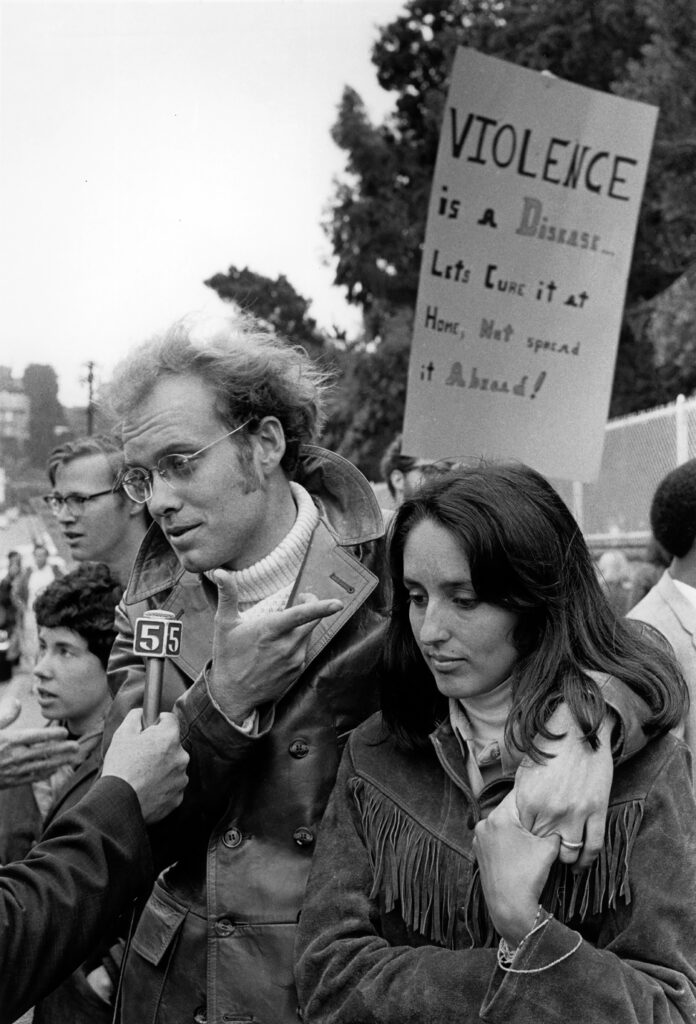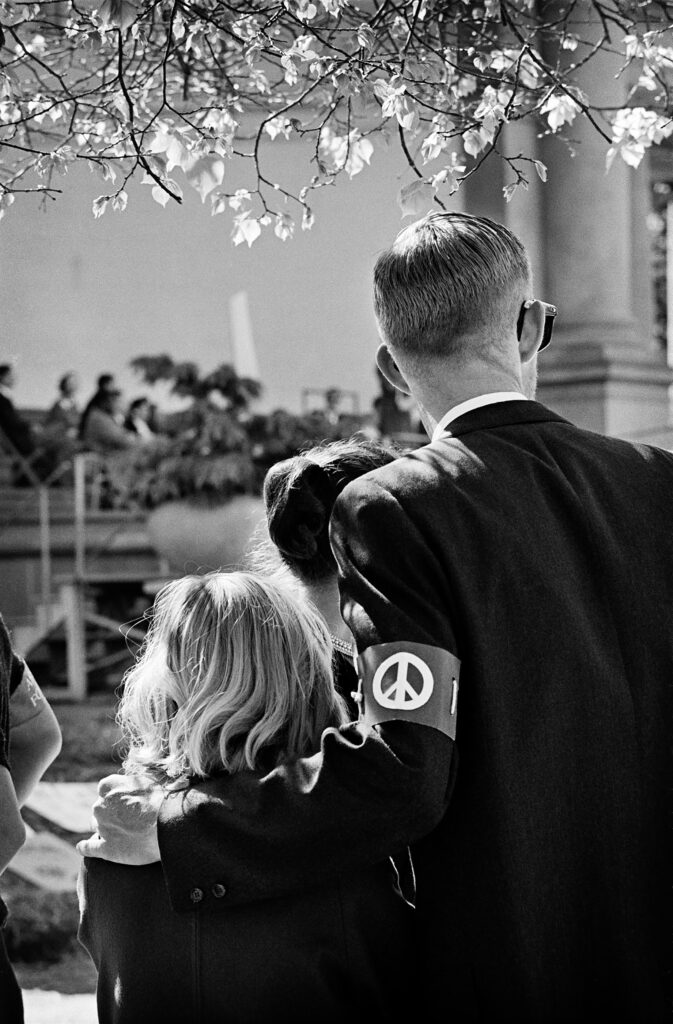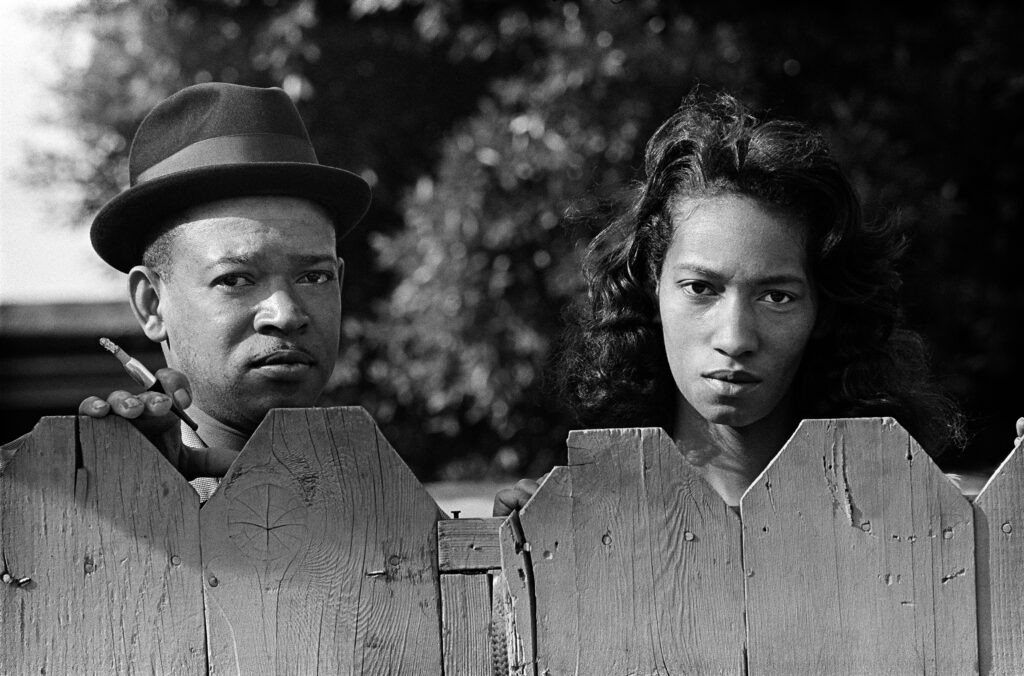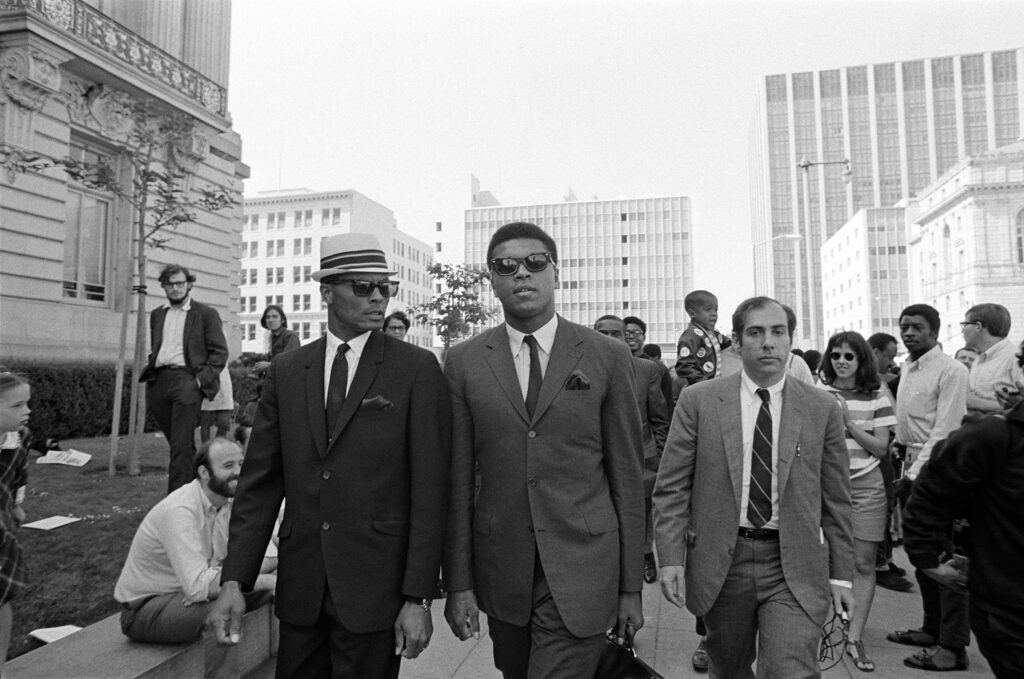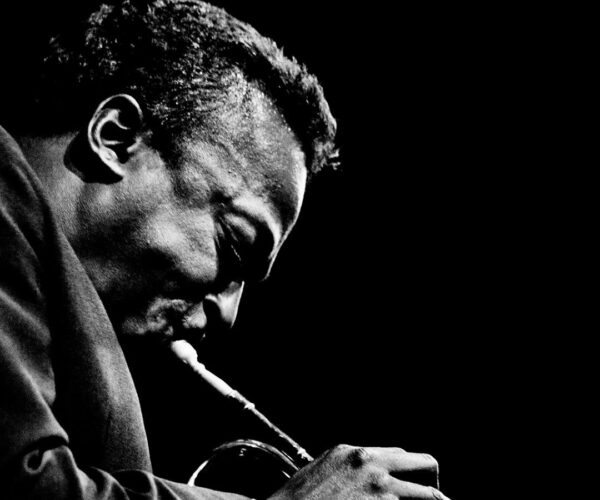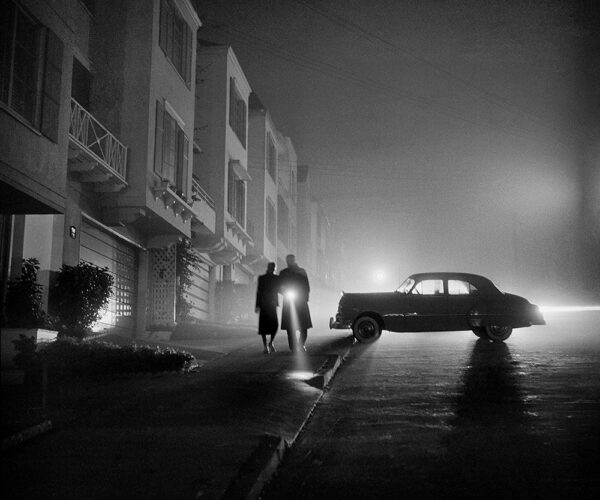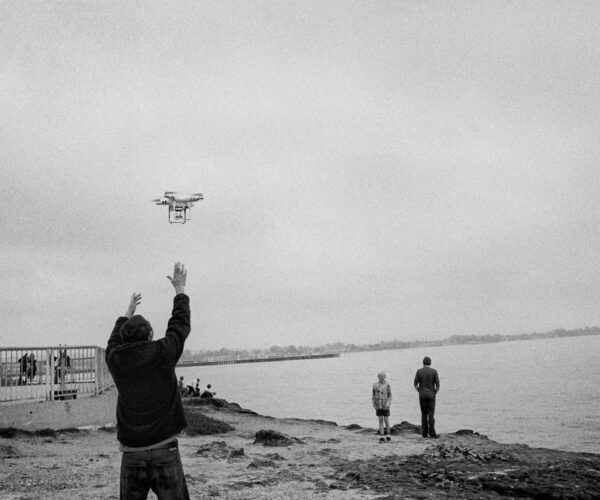
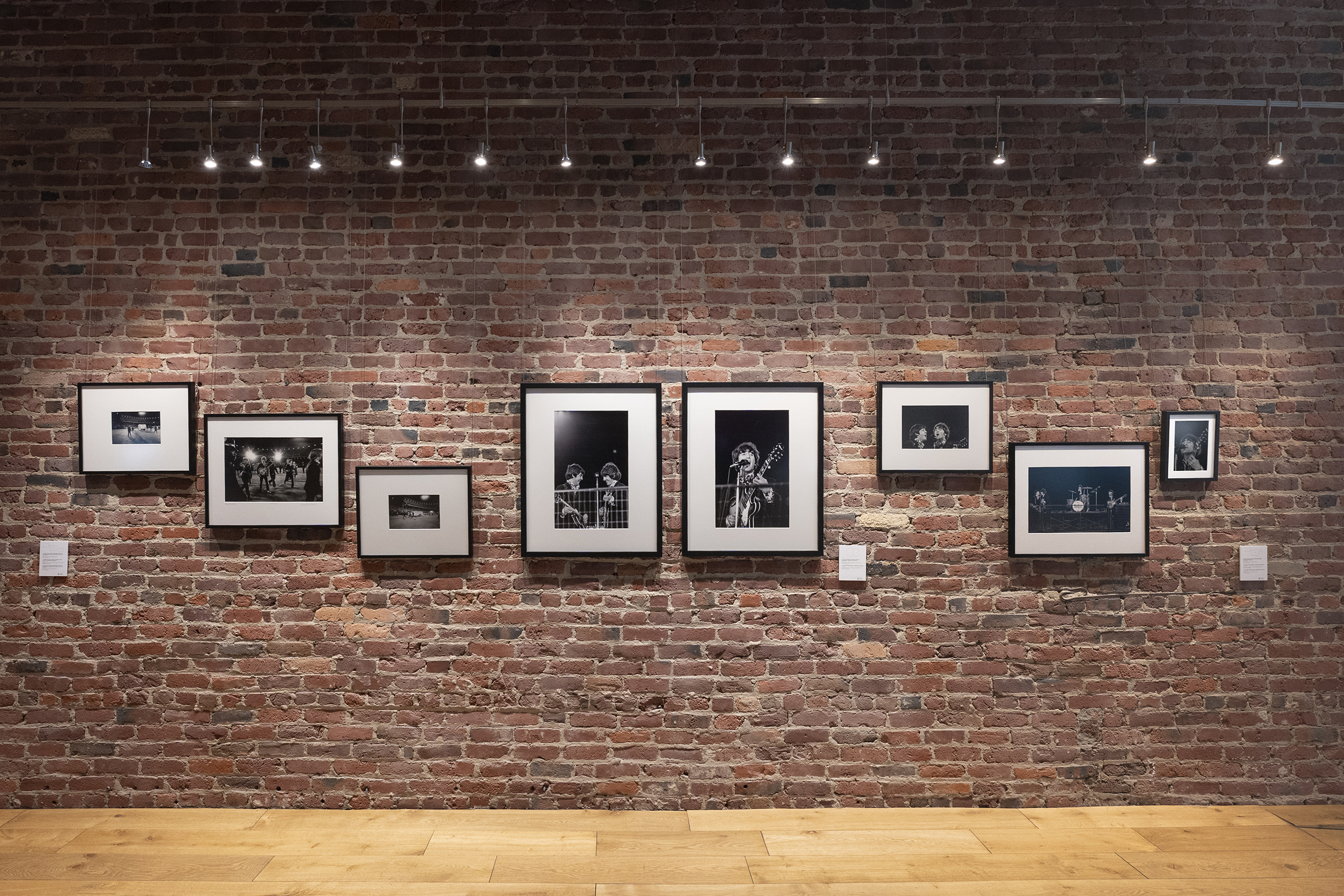
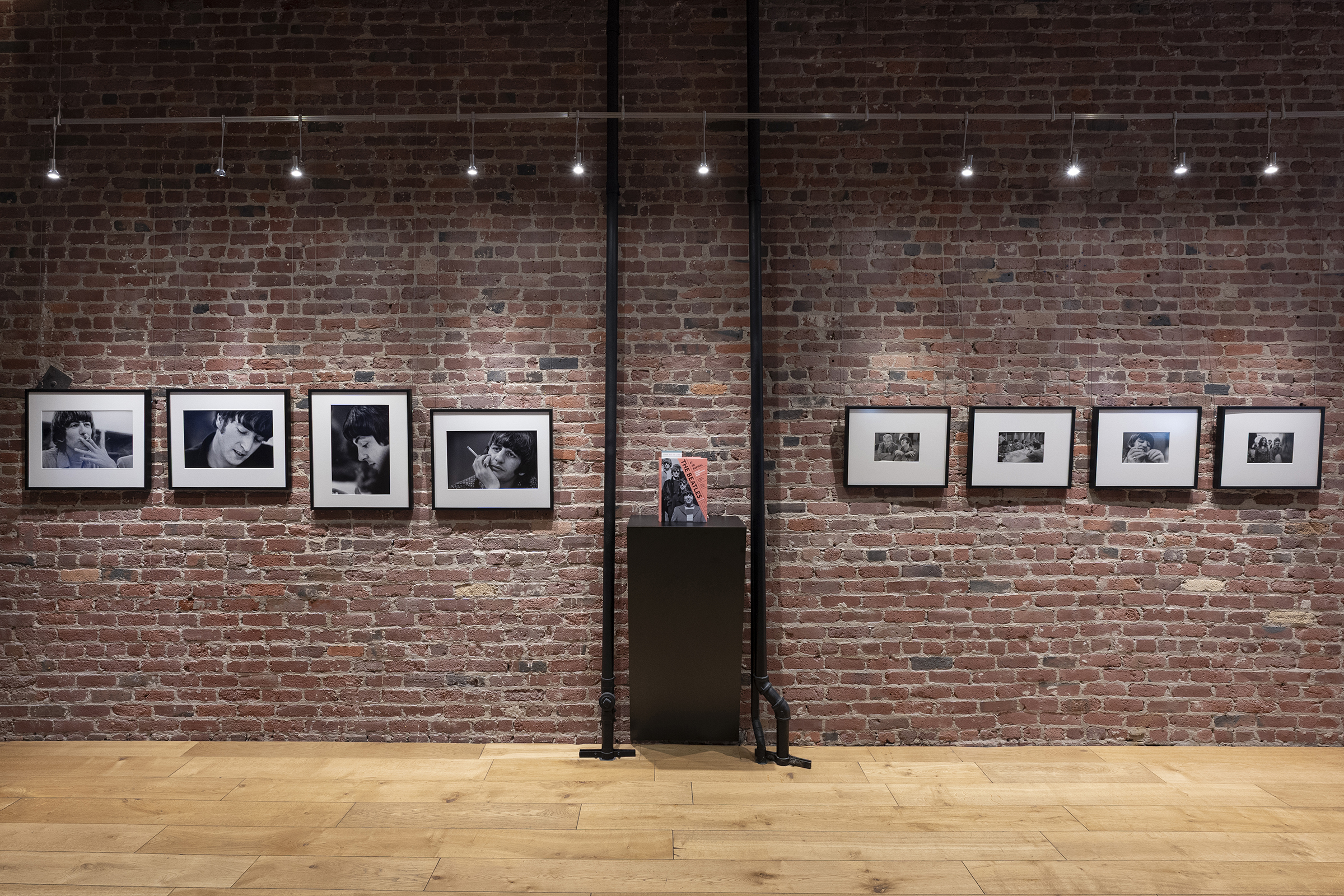
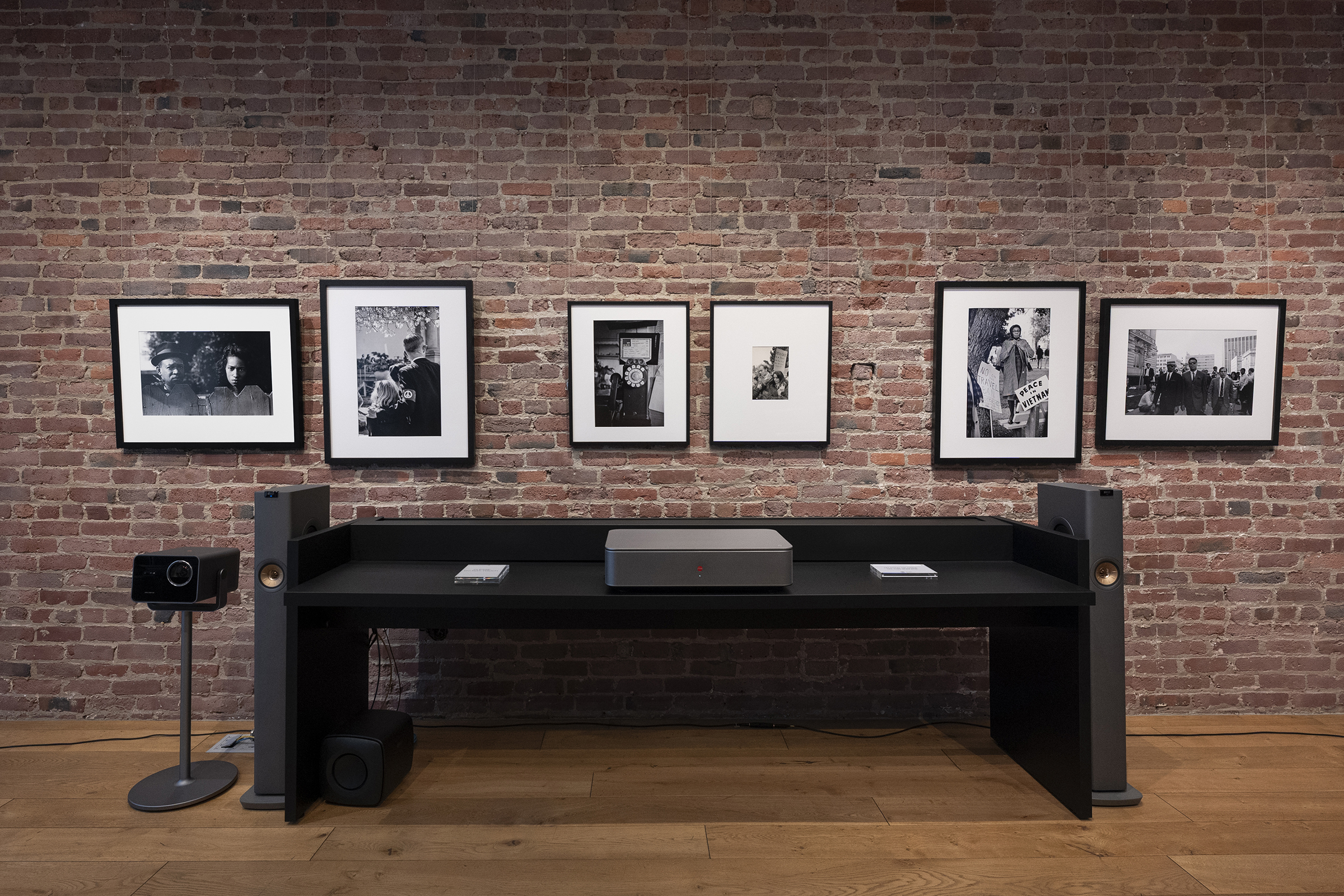
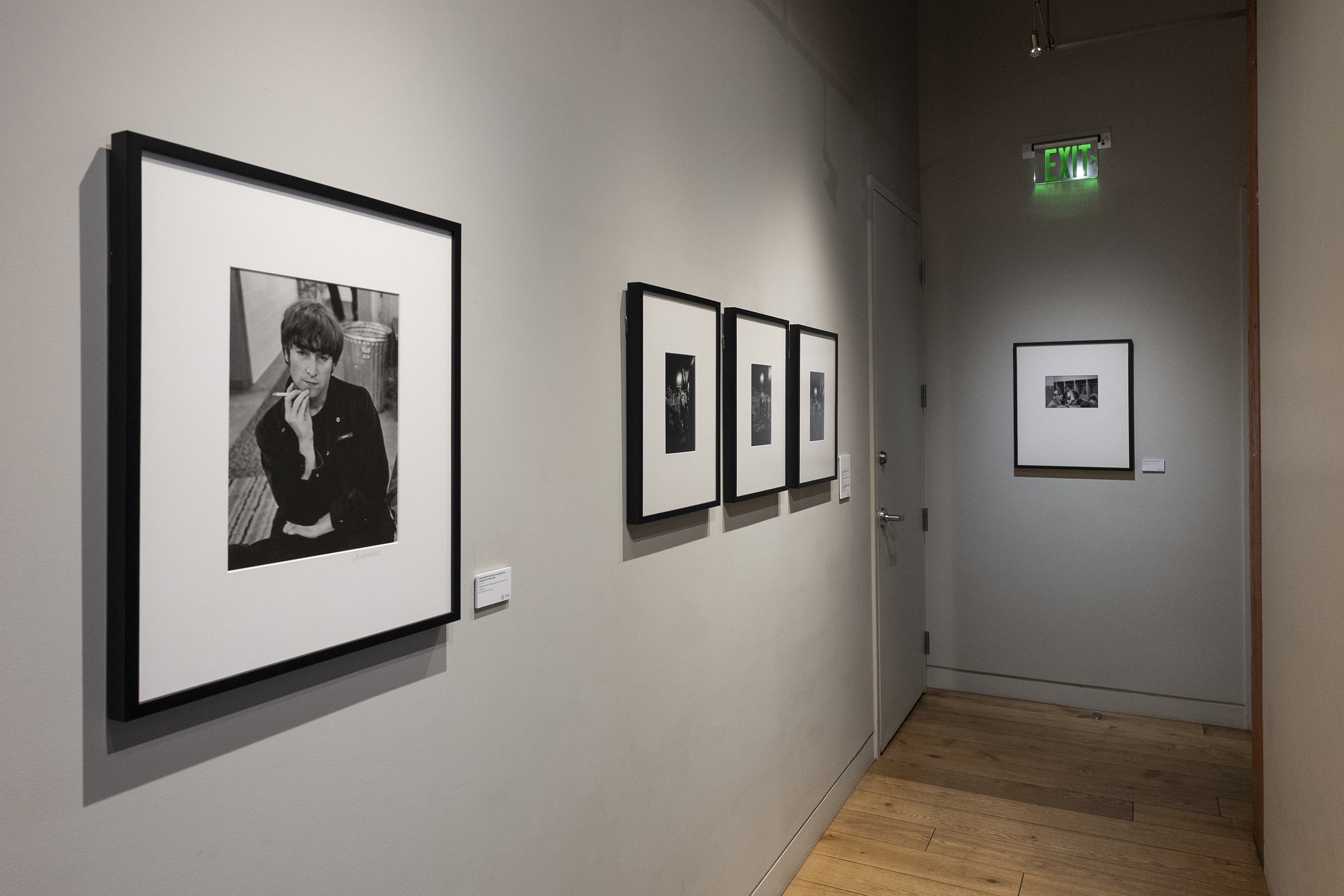




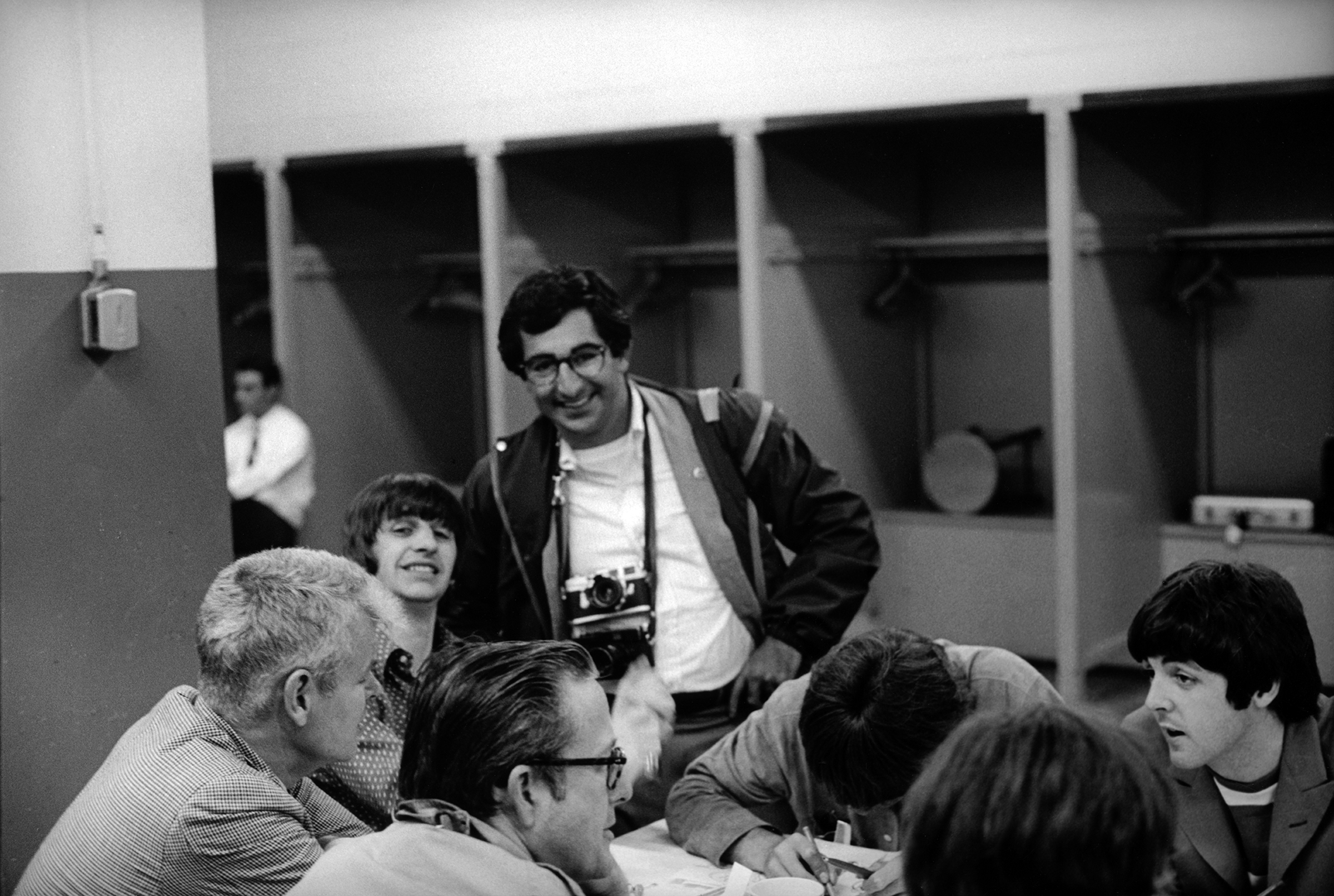
Jim Marshall (1936–2010) was a legendary San Francisco photographer whose work captured some of the most influential musicians and defining moments in music history. Raised in San Francisco’s Fillmore district, Marshall developed a lifelong passion for music and began photographing musicians in the city’s vibrant North Beach scene.
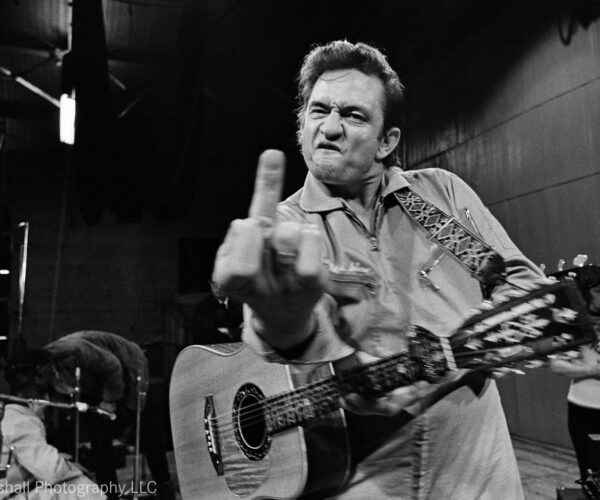
Known for his intimate, candid approach and extraordinary access, Marshall photographed artists including The Beatles, Jimi Hendrix, Janis Joplin, Johnny Cash, Bob Dylan, Miles Davis, and The Rolling Stones. He was the only photographer granted backstage access to The Beatles’ final scheduled concert at Candlestick Park in San Francisco in 1966.
With more than 500 album covers to his credit, Marshall’s photographs have become an enduring visual record of 20th-century music. His work is held in major museum collections worldwide. In 2014, he became the first photographer to receive the Recording Academy’s Trustees Award for his lifetime contribution to music.
The documentary Show Me The Picture: The Story of Jim Marshall premiered at the 2019 South by Southwest Film Festival. In December 2025, the City of San Francisco honored his legacy by naming the block of 16th Street where he used to live “Jim Marshall Way.”
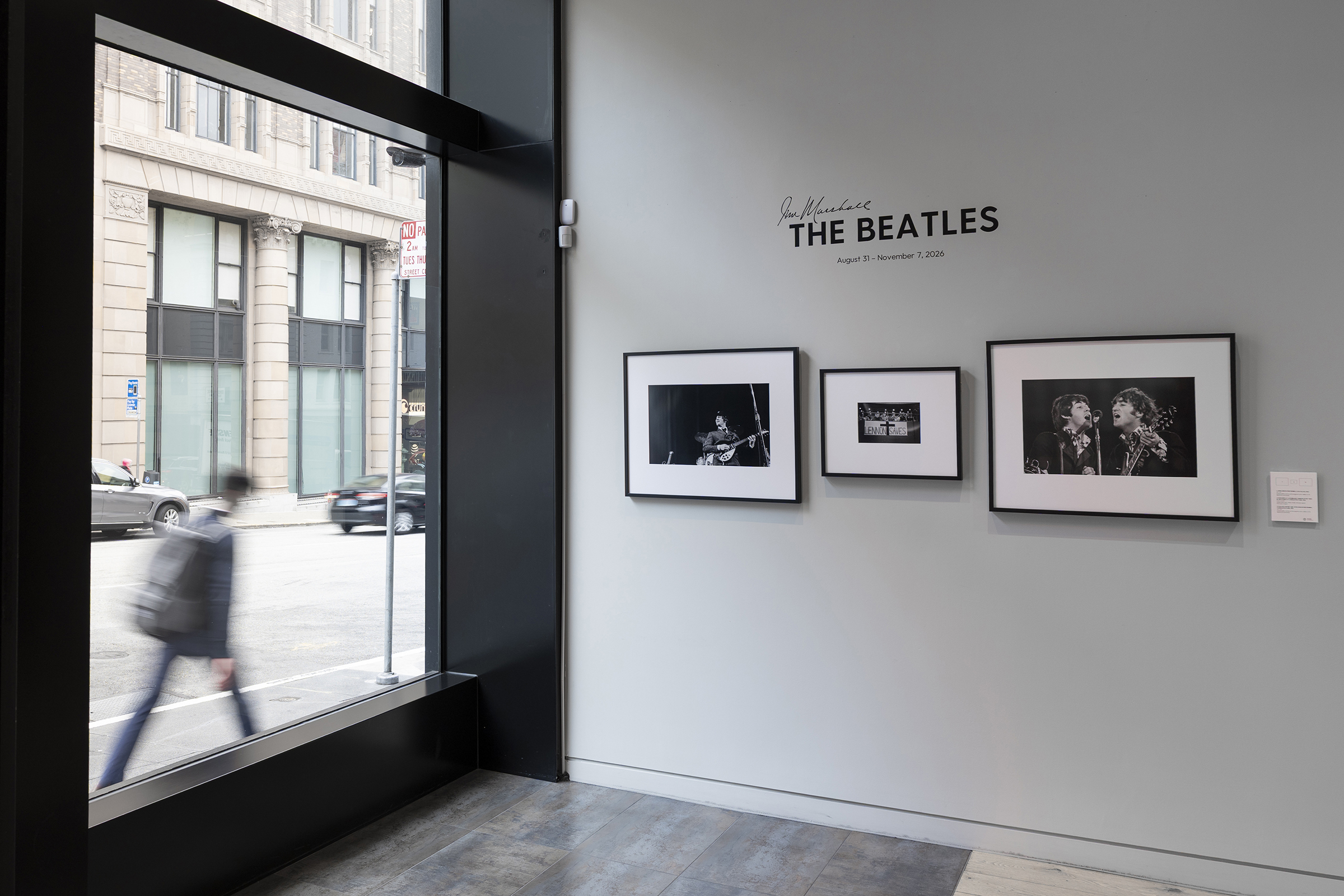
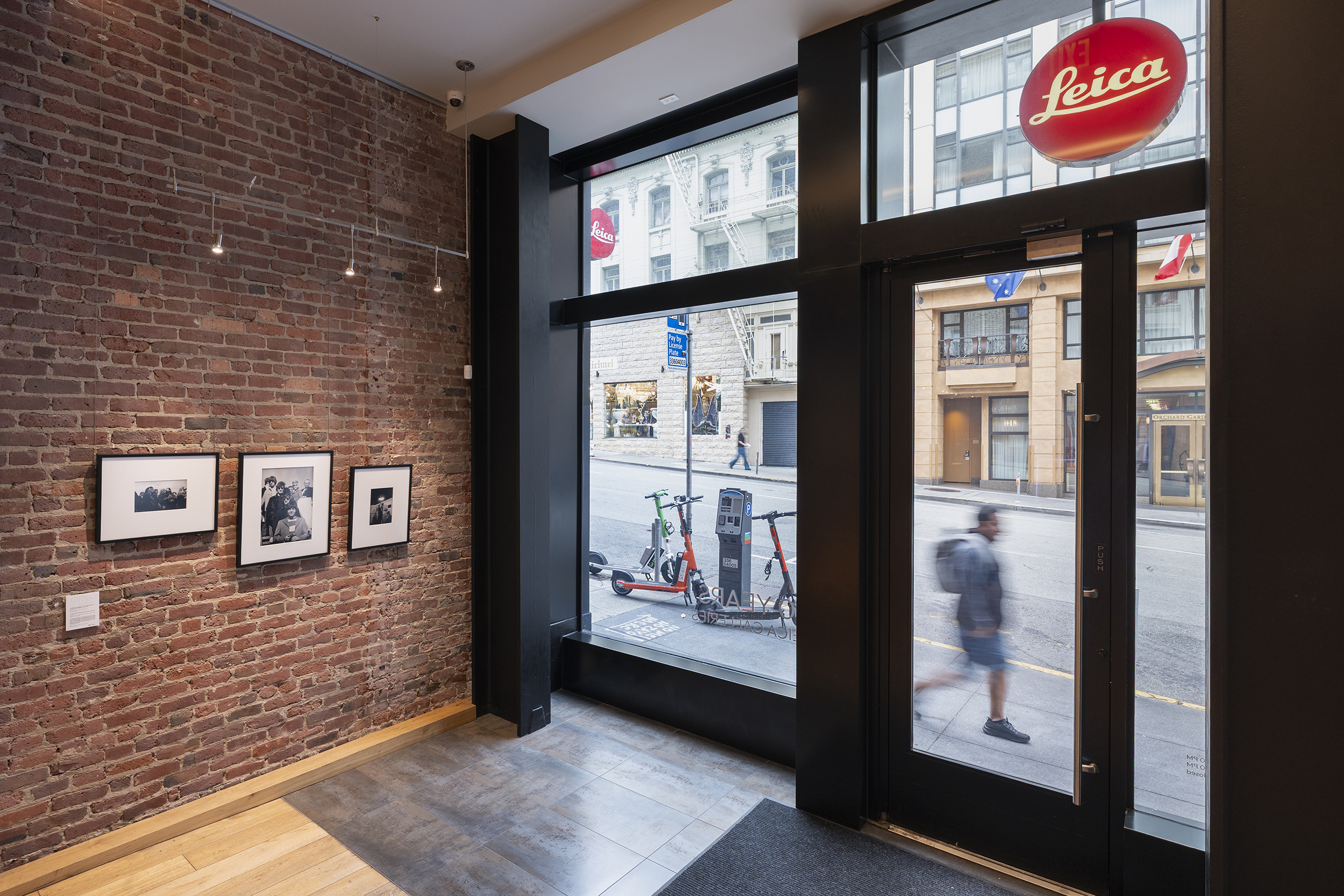
The Gallery at Leica Store San Francisco is proud to present Jim Marshall: The Beatles, an exhibition featuring the photographs of legendary San Francisco photographer Jim Marshall.
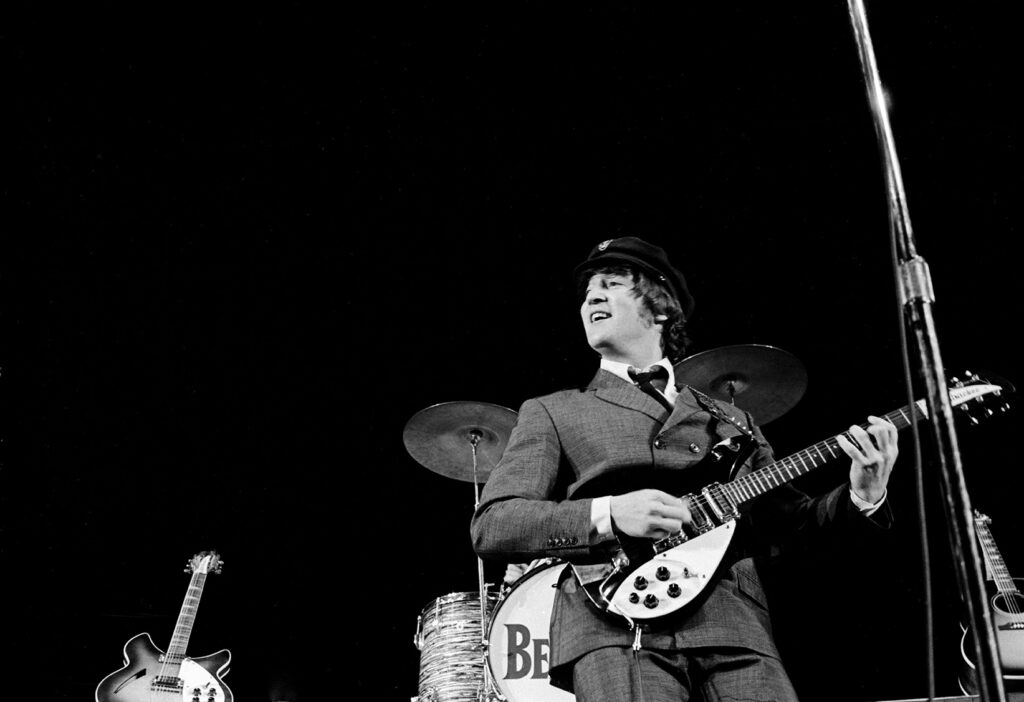
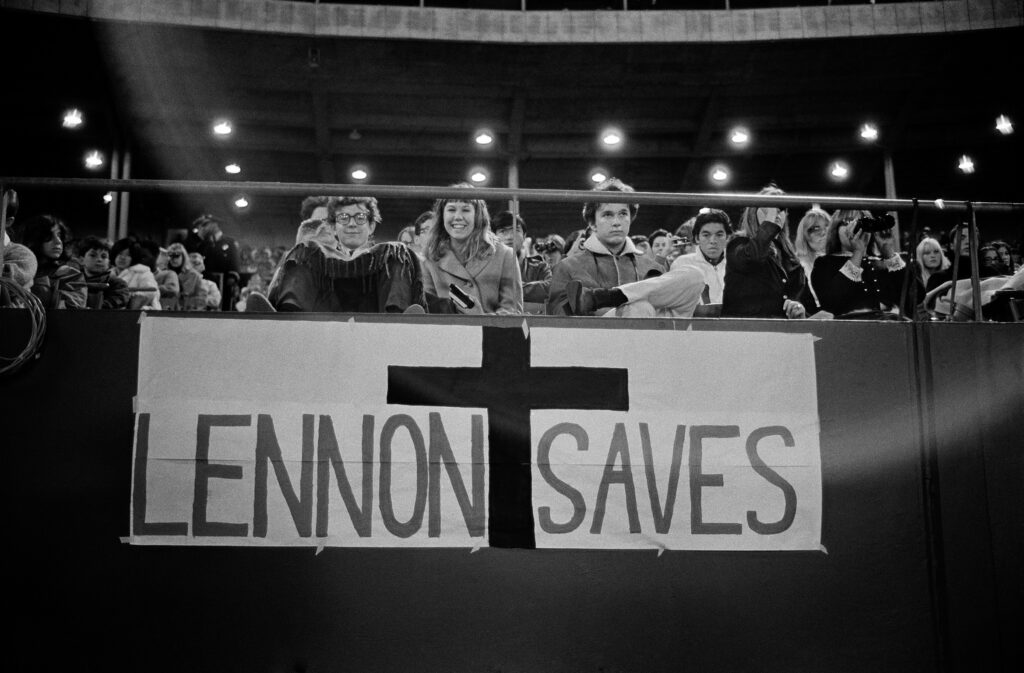
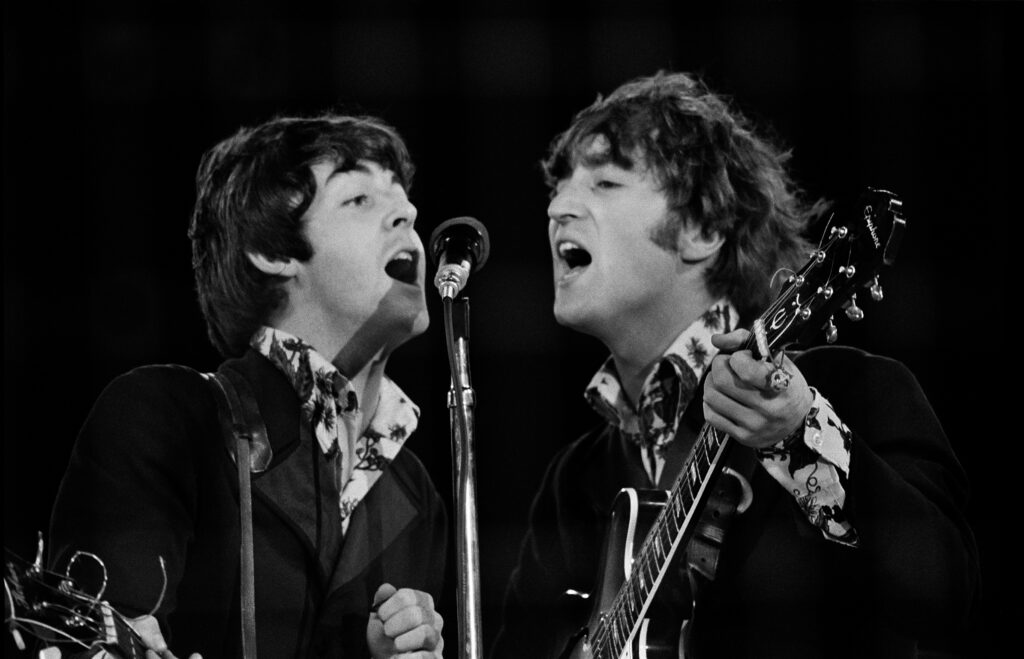
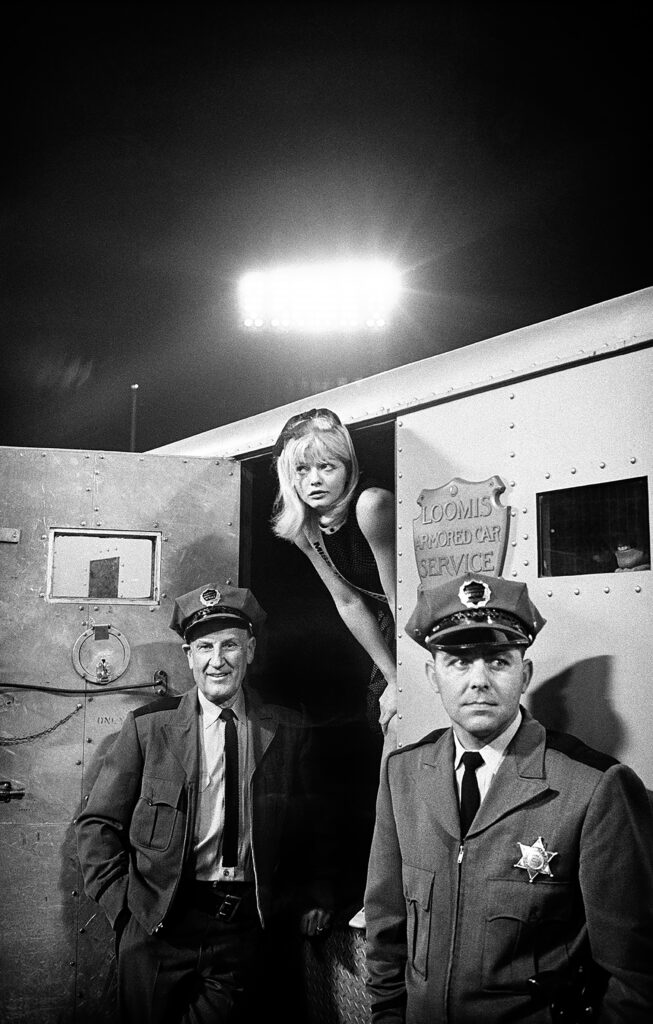
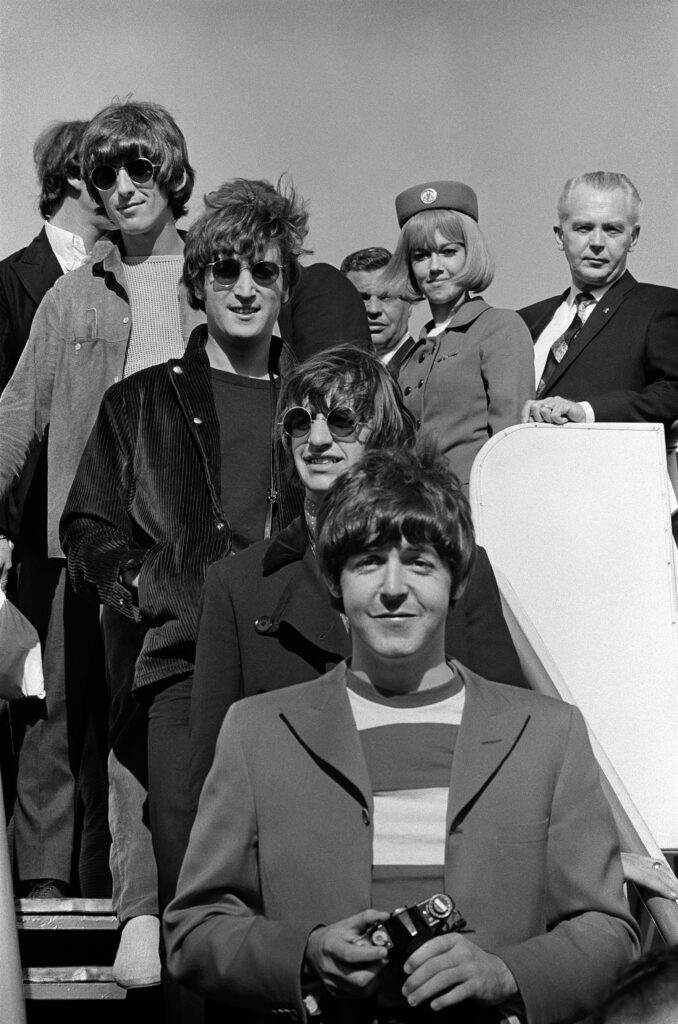
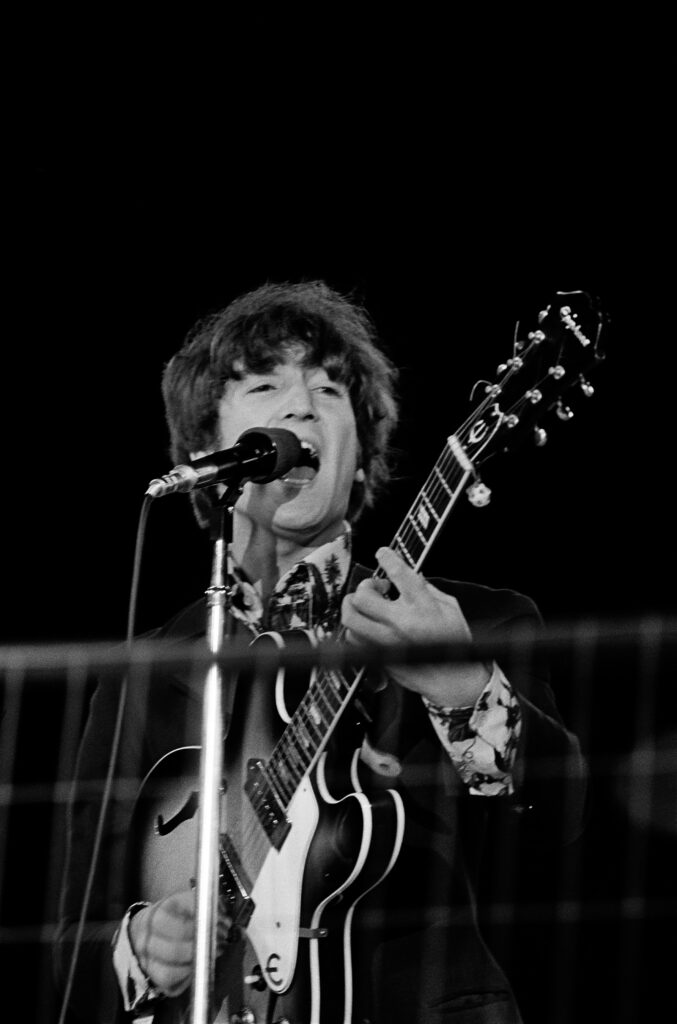
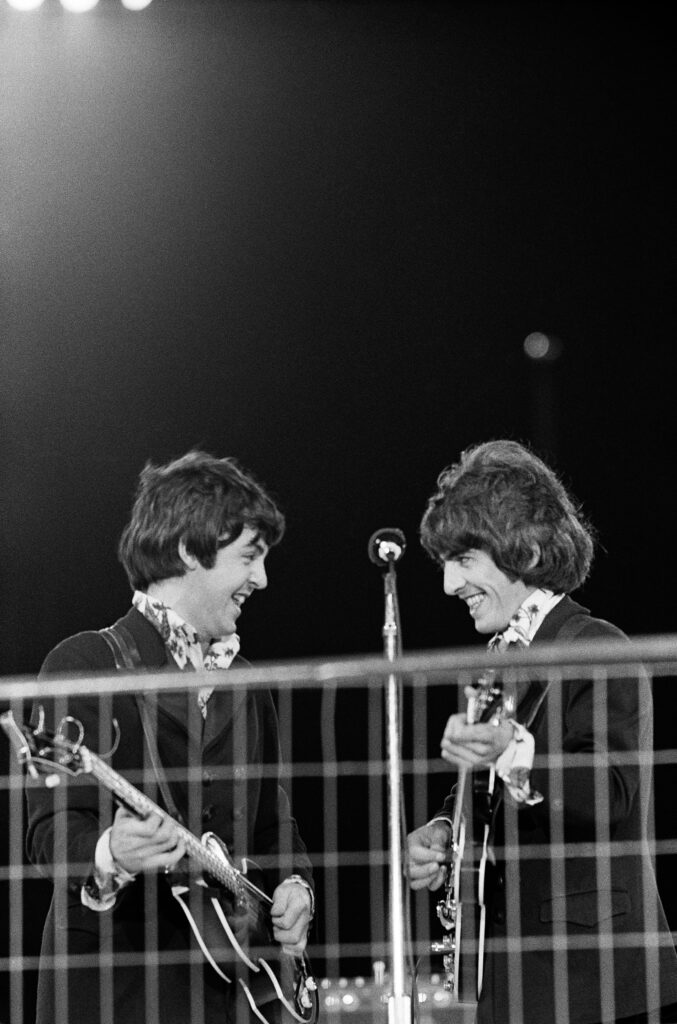
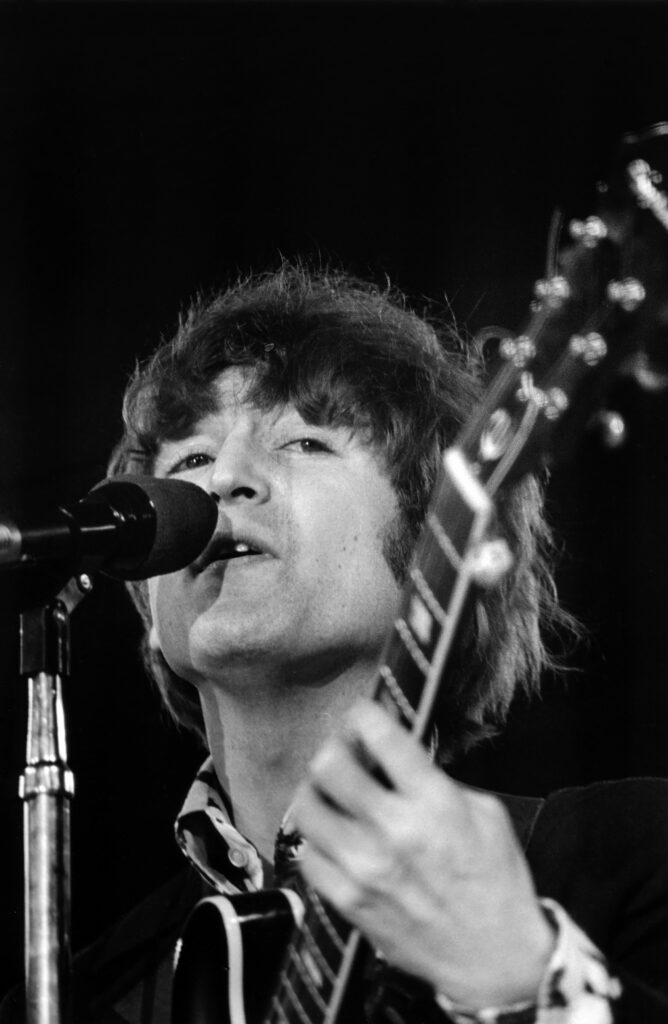
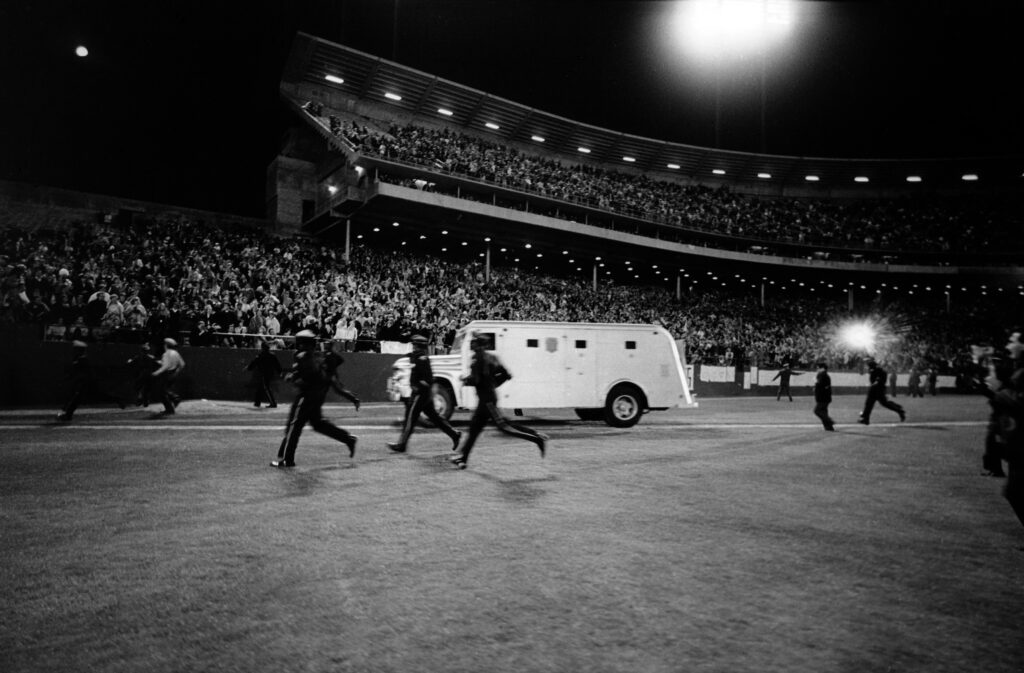
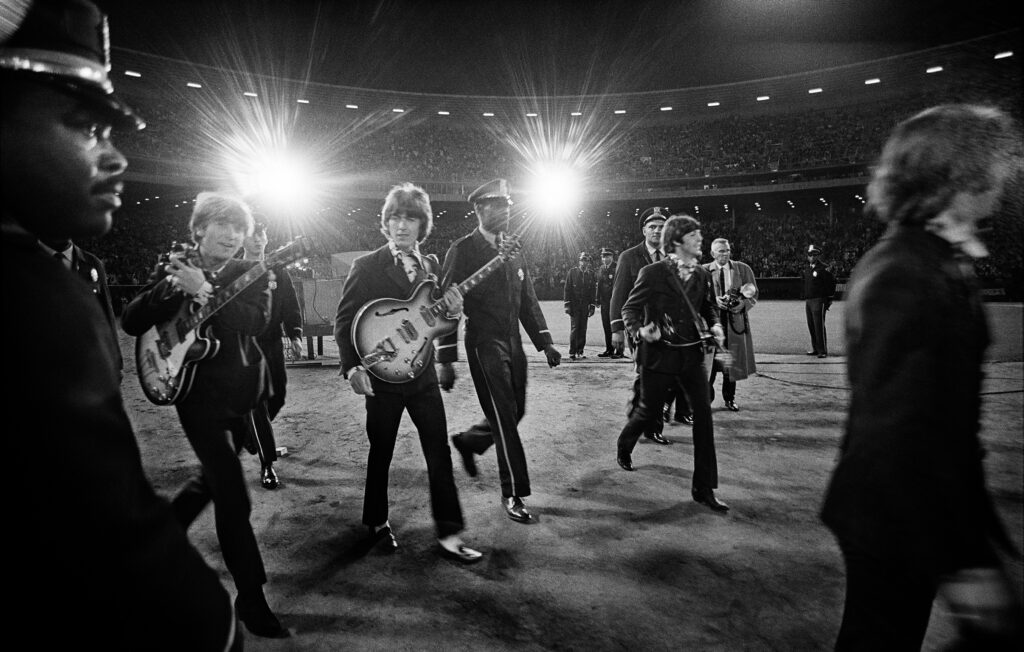
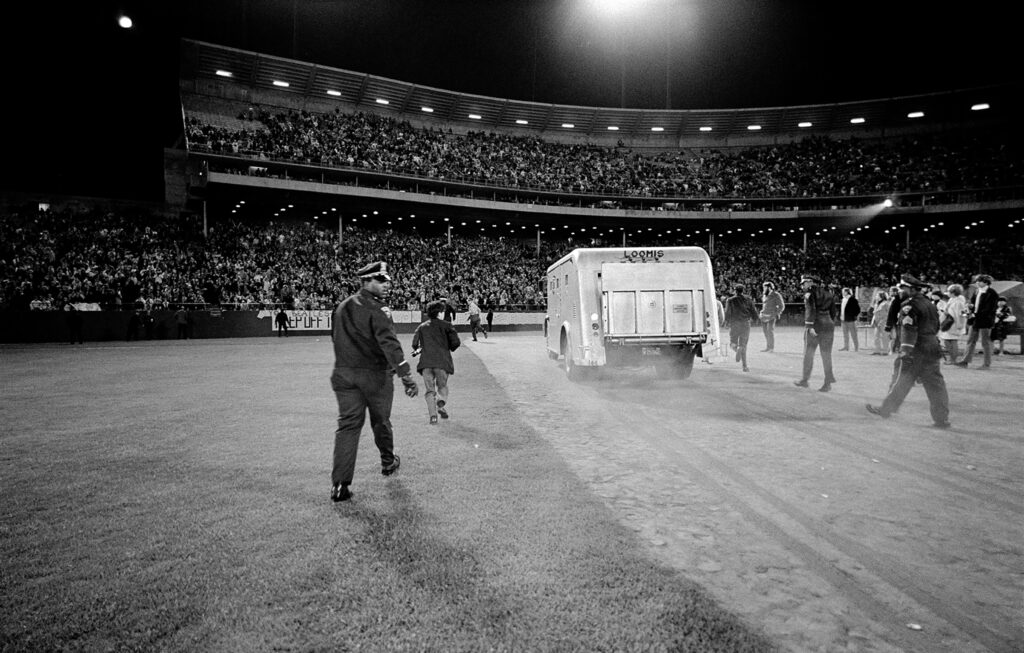
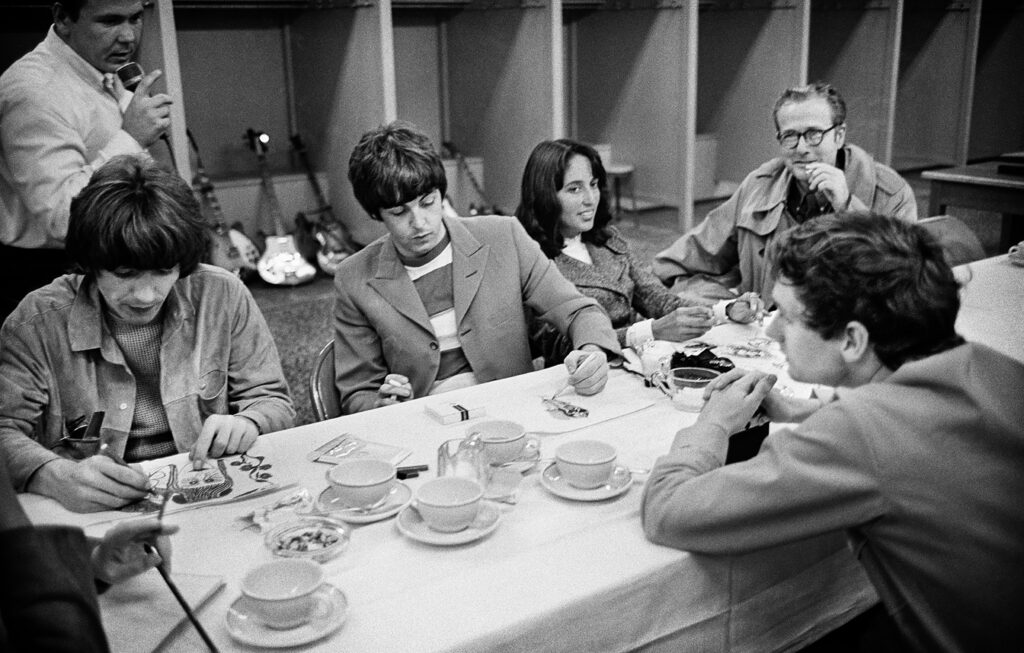
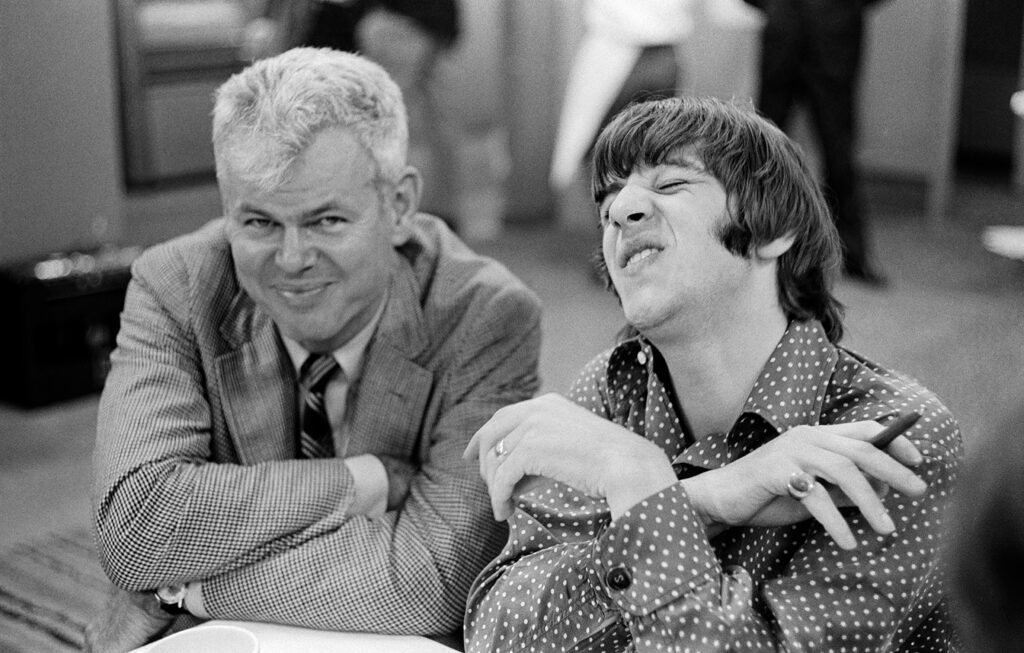
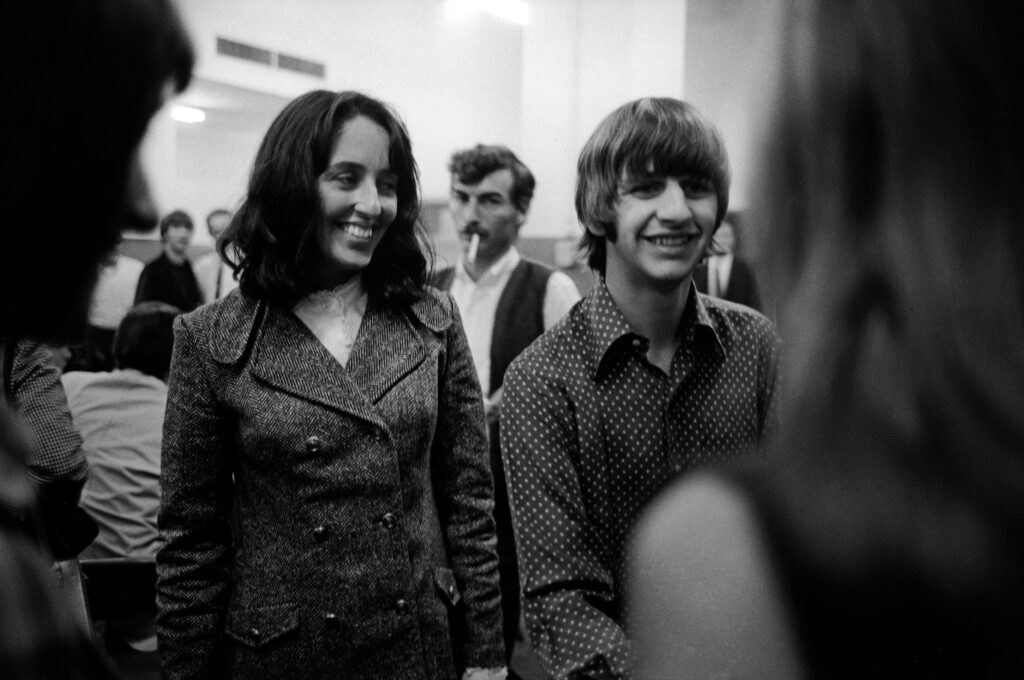
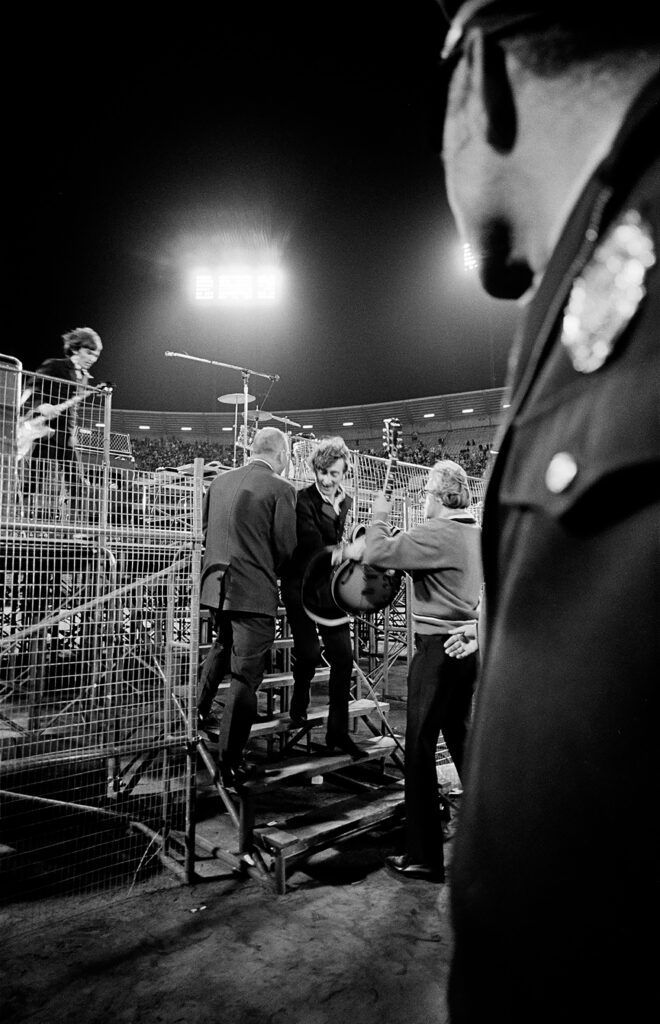
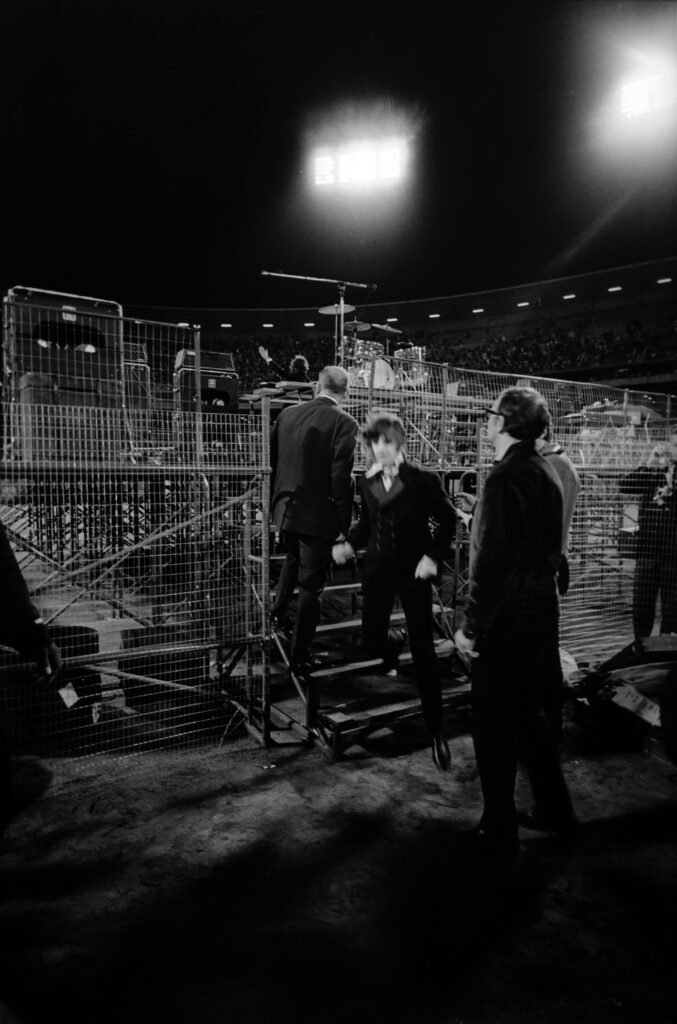
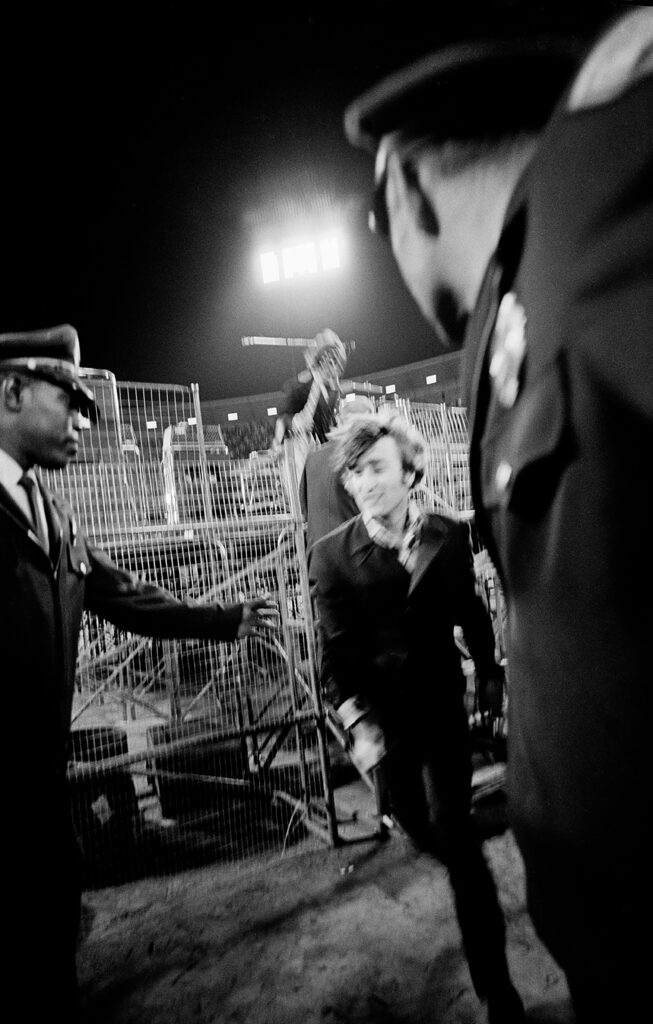
Bringing together a selection of Marshall’s photographs from The Beatles’ historic 1966 visit to San Francisco, the exhibition revisits a defining moment in music history through Marshall’s lens. On August 29, 1966, The Beatles performed at Candlestick Park in what would become their final scheduled live performance, bringing an end to an extraordinary chapter in their touring career.
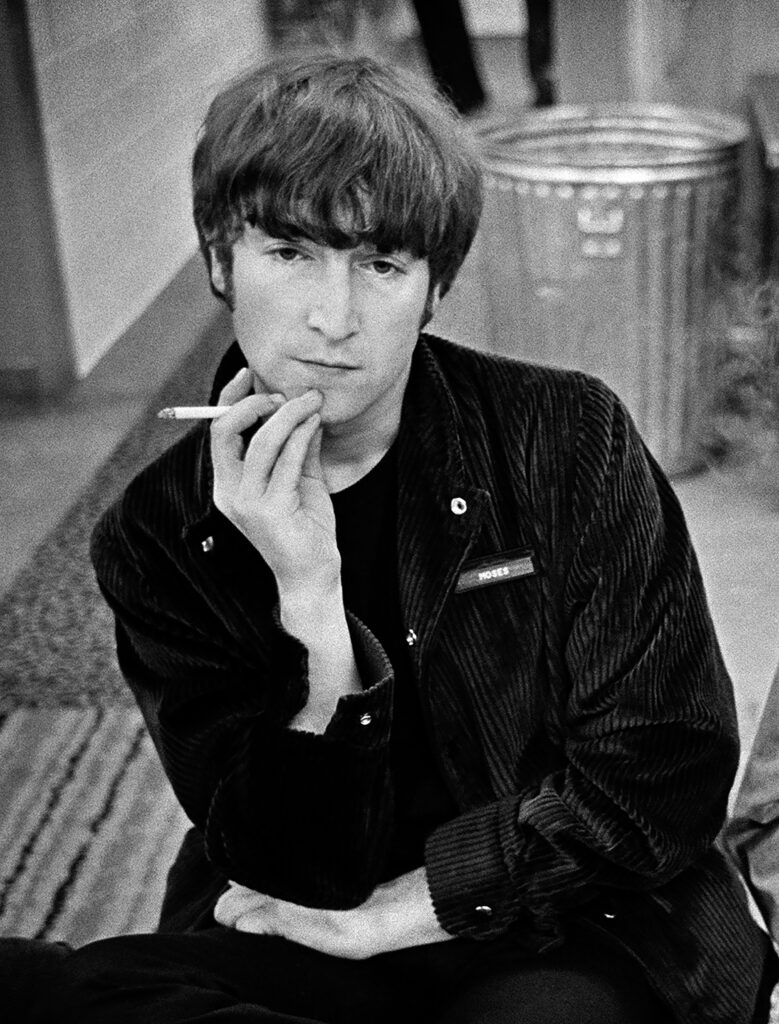
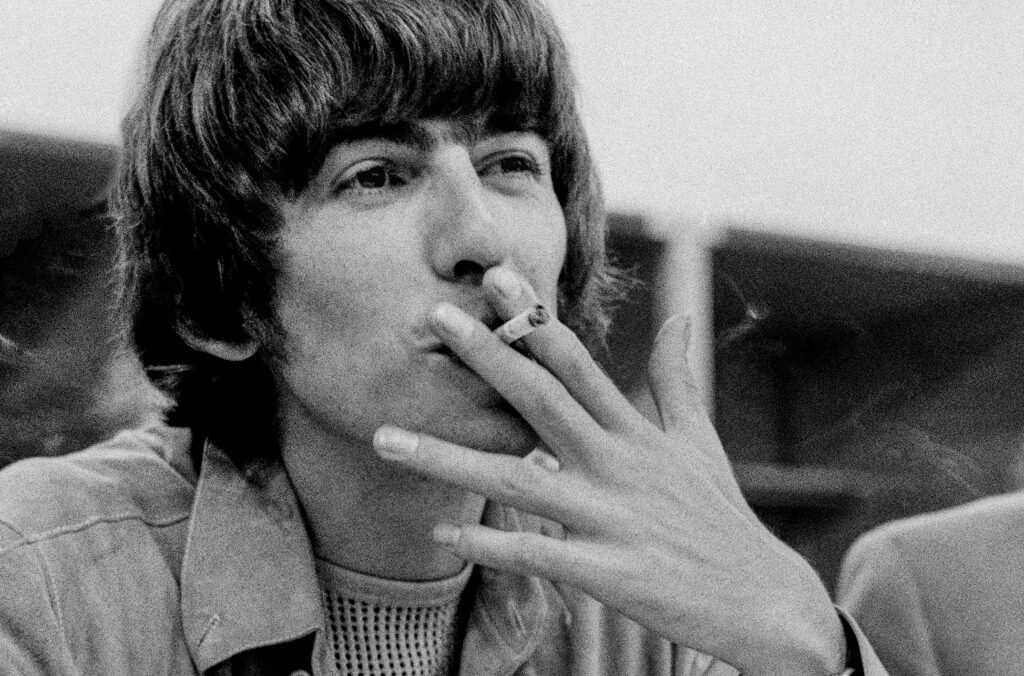
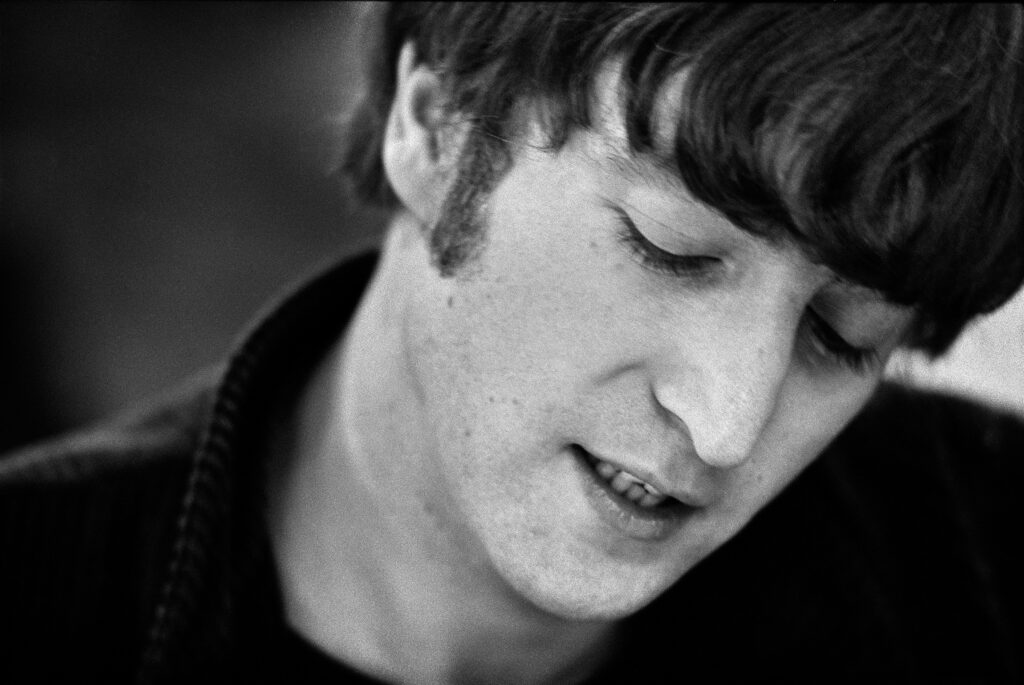
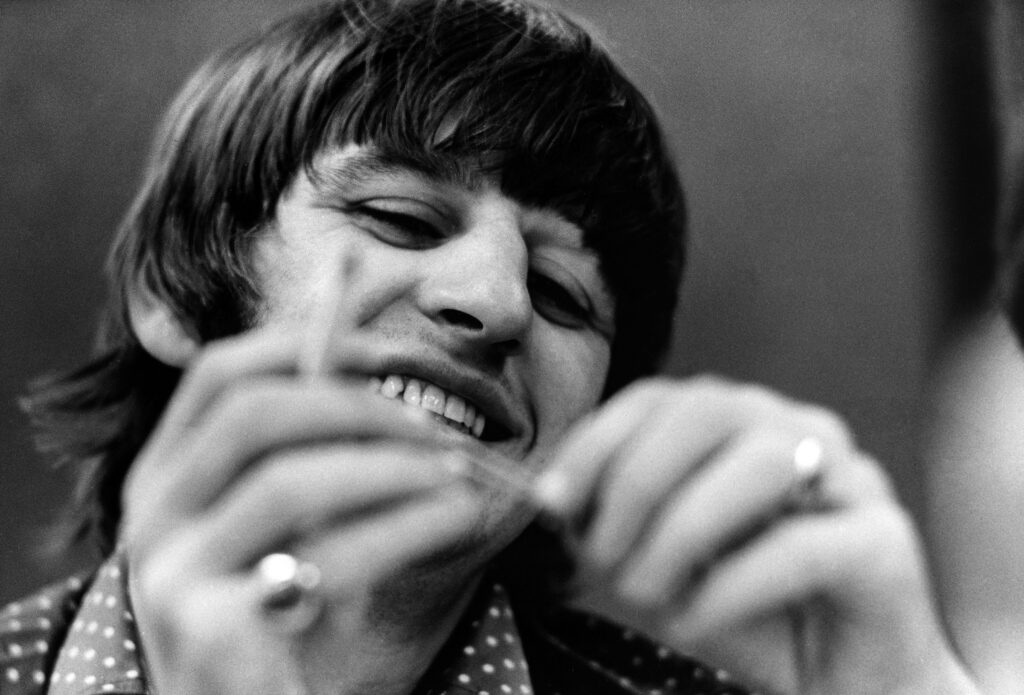
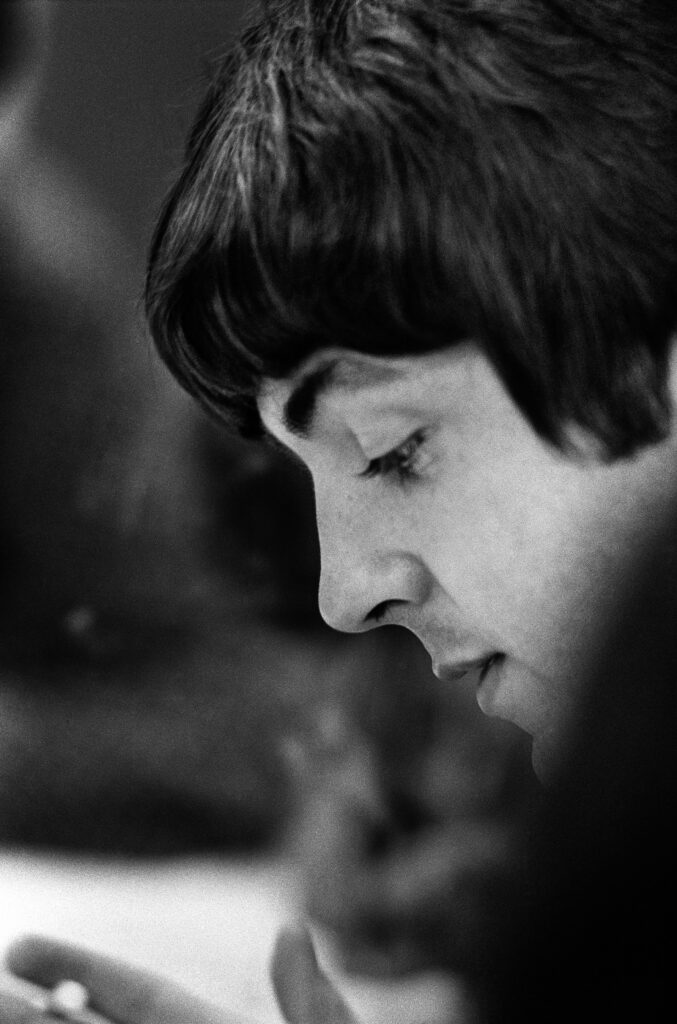
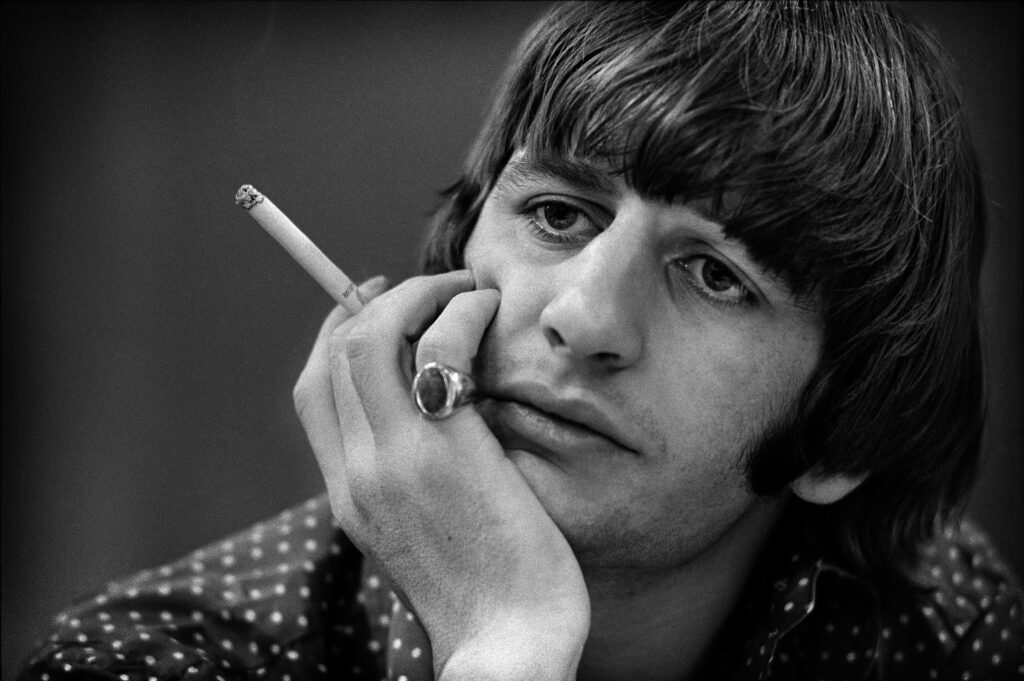
As the only photographer granted backstage access, Marshall was able to photograph The Beatles beyond the stage and away from the crowds. His images capture the anticipation and energy surrounding the concert, as well as moments of the four musicians preparing, waiting, joking, and sharing fleeting moments away from the roar of the crowd.
Marshall’s photographs are marked by their immediacy and intimacy. Working with his Leica, he had a remarkable ability to remain close to his subjects while allowing moments to unfold naturally. Rather than presenting The Beatles solely as cultural icons, he captured their personalities and the subtle gestures that made them human, revealing moments of humor, concentration, fatigue, and connection. This fascinating contrast was captured by Marshall with remarkable sensitivity and instinct.
Sixty years later, these photographs remain a powerful record of a band at a turning point. More than documentation of a historic concert, they preserve the atmosphere, personalities, and fleeting moments surrounding The Beatles’ final scheduled live performance. Through Marshall’s camera, a legendary chapter in music history becomes something remarkably immediate, personal, and enduring.